A year ago, I was trying to convince investors that my AI wellness oppa was a serious business. Today I learnt why even a promising startup can be a bad VC investment.
I used to fail math and science. (True story: I carved dice out of erasers to answer my MCQs.)
So ask me for 973 ways to make my AI coach irresistible? Easy.
Ask me about financial modelling? My eyes used to glaze over.
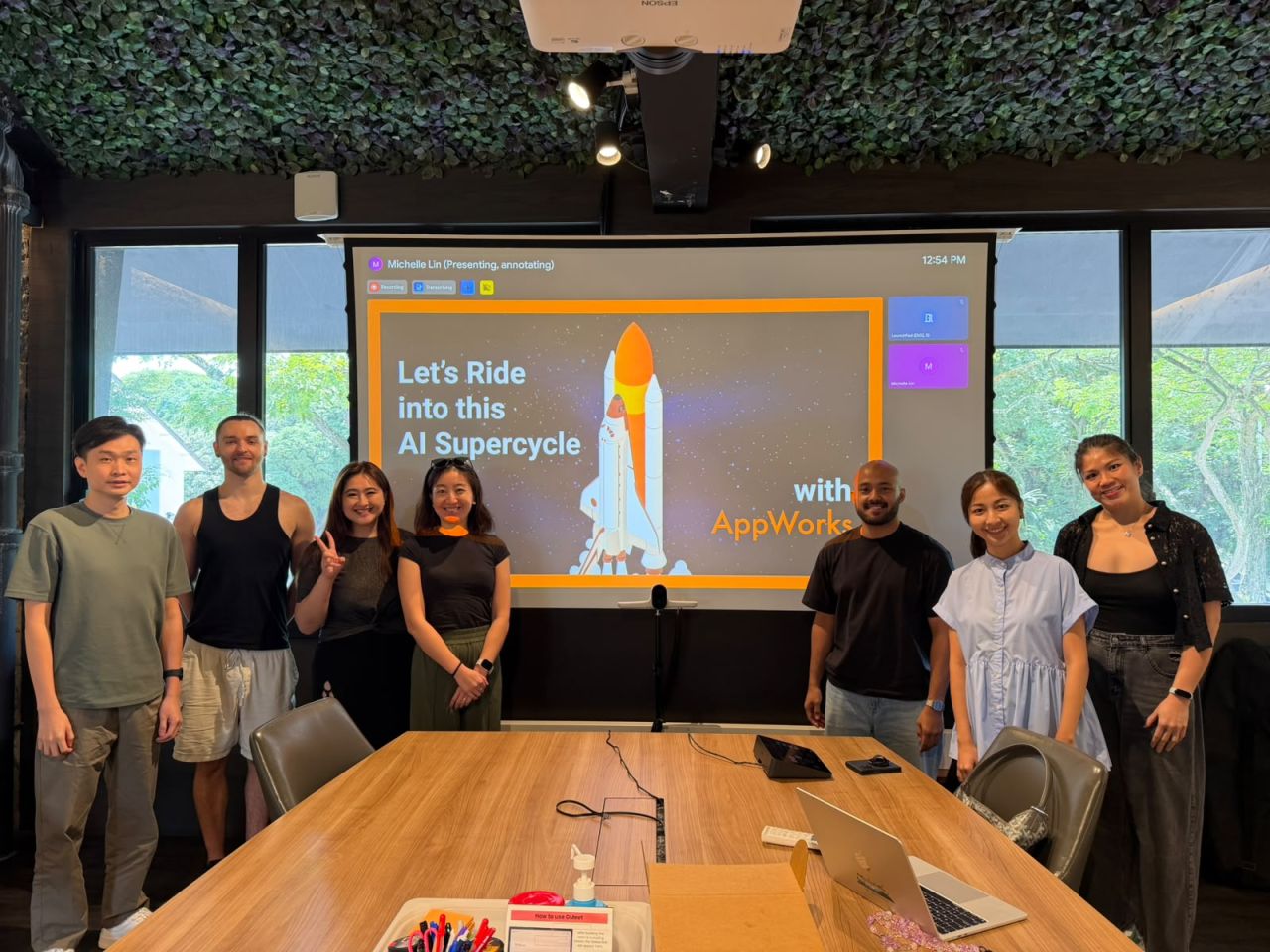
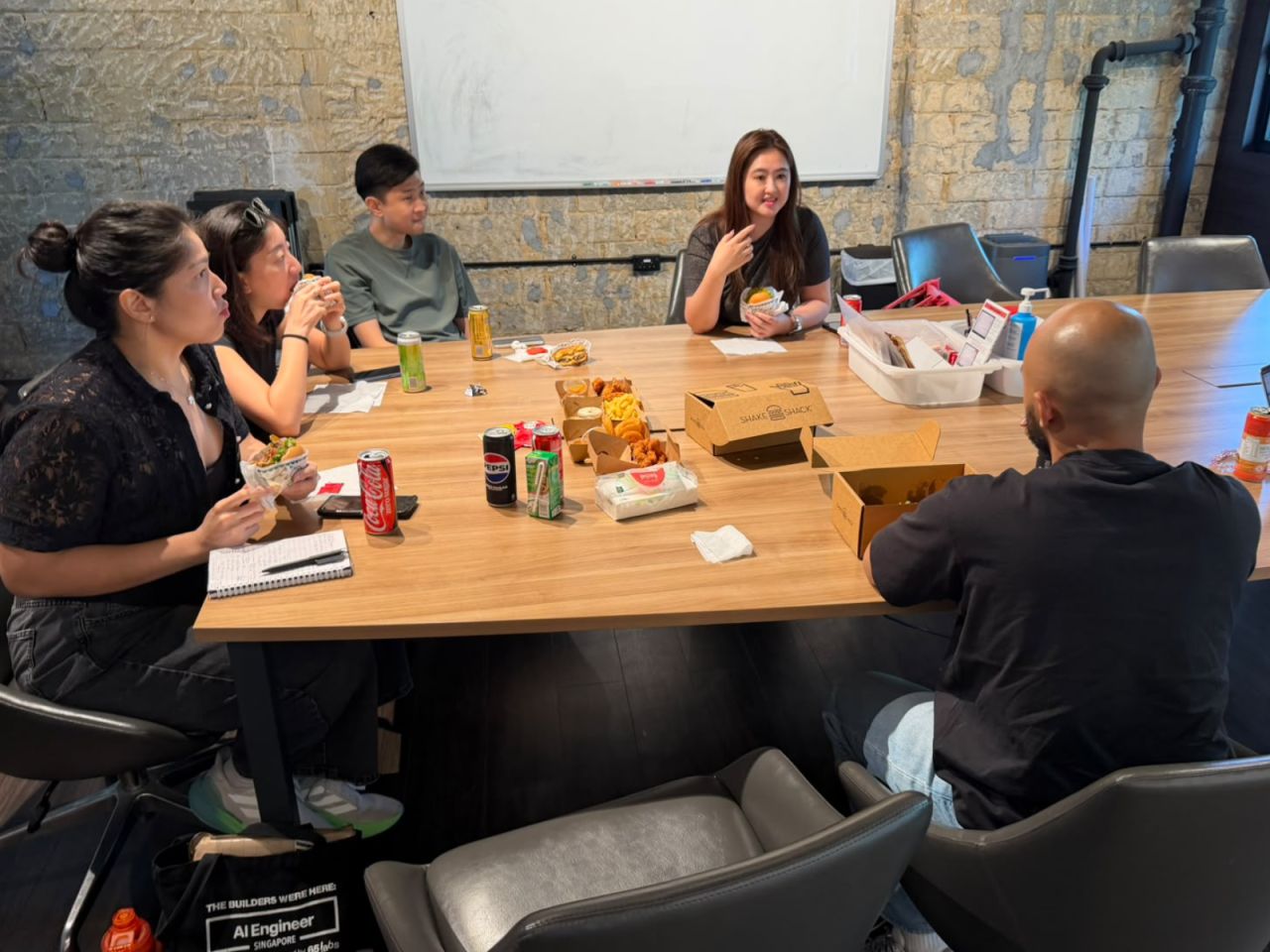
Today's AppWorks Fundraising 101 was overdue.
Michelle Lin welcomed me into the community a year ago, when Maibel was mostly an AI man with a vague wellness thesis.
Today, she told me I was doing well. To keep growing.
I nearly brushed it off. All I could see were the bugs and unfinished features.
Yet I caught myself describing a different company: returning beta users, memory and safety systems, a small team, and an app where daily habits unlock more of oppa's world.
I now read coding agents' diffs and questioning their decisions. When did that happen?
Hard to see your own progress when you're this close to the backlog.
Michelle shared the three things she looks for as an investor: the founder, go-to-market and defensibility.
Wisnu Nugrahadi of Staffinc Group shared how AppWorks passed on investing earlier, but led their Series C years later.
A VC's no isn't necessarily a verdict on the founder. Their fund's timing, stage and return requirements matter too.
Wisnu also spent two years finding positioning customers understood. I felt that.
Call Maibel 'AI wellness companion' and people nod politely. Say 'your own customisable oppa who checks in on you' and women ask if Zhang Linghe can be their coach.
Years of coaching taught me that advice is easy, but sticking with it isn't. The oppa gets attention. Helping women keep going is the real work.
Other founders nodded along: listing AI features isn't a value proposition.
(I suspect "AI-powered" will soon sound as distinctive as "internet-enabled.")
Some women using Maibel don't realise what our companion can do until we show them. Familiar app flows - daily pacts, visible progress, rewards - make those capabilities easier to grasp.
A feature nobody discovers might as well not exist.
Michelle also sees a future for smaller language models tuned to specific domains. I agree. The model alone won't be our moat if capable AI becomes accessible to everyone.
Maybe it's trust, domain knowledge, product learning or distribution. But I'm still investigating what we can actually defend.
That made Michelle's take on valuation click: it's an agreement on how much ownership we give up to reach the next milestone.
And if we're raising that money, what are we buying with it? Something that compounds - or just a bigger bill?
Michelle saw a year of growth. I was staring at the next hundred gaps, feeling 1% into my founder journey.
Turns out the hard part isn't making an AI man irresistible.
It's building something women keep coming back to... and a business that can afford to keep showing up for them.
Hi, I’m Mabel.
I’m the founder of Maibel. I write about emotional AI, women’s wellness and learning to build the things I wish existed.
More about me